Repair-Ready Smart Interiors, Built to Outlast Upgrades
Step inside a home where intelligence meets longevity. Today we explore Repair-Ready Smart Interiors, a practical approach to design that favors modular layouts, open standards, labeled access, and upgradeable devices. Expect stories, tactics, and friendly nudges that help you fix faster, waste less, and feel in control. Subscribe, comment with your toughest maintenance headache, and let’s turn breakdowns into small, teachable moments that keep comfort, safety, and style running smoothly for years.


Fixability-First Design Choices
{{SECTION_SUBTITLE}}

Modularity From Walls to Widgets
Adopt modular wall systems with removable panels, slotted rails for adjustable shelving, and furniture built around replaceable skins, tops, and legs. When finishes or devices fail, you swap modules instead of trashing assemblies. This approach keeps dust down, speeds repairs, and supports beautiful iteration. Tell us which room frustrates you most right now, and we’ll propose a modular tactic that lets future you thank present you during the next inevitable upgrade or quick Saturday fix.

Fasteners and Interfaces You Can Trust
Choose one family of screws, anchors, and clips across rooms, and store labeled assortments nearby. Standardized interfaces limit hunting for that cursed proprietary bit at midnight. Magnetic covers, quarter-turn locks, and keyed connectors provide access without guesswork. The result is cleaner walls, calmer weekends, and fewer emergency calls. Comment with your favorite fastener system, and we’ll compile a resident-approved kit list that helps neighbors, guests, and even renters manage responsible, tidy interventions.
Serviceable Tech Ecosystems
Your devices should respect your time and wallet. Favor open standards, local control options, and brands offering long-term parts, schematics, and firmware support. Replaceable batteries, socketed sensors, and modular radios extend usefulness without waste. Avoid glued enclosures and sealed mystery boxes. A resilient ecosystem welcomes tinkering while protecting privacy. Drop a comment about a device you regret buying; subscribers will suggest repair-friendly alternatives that pair dependability with delight, keeping sophistication without sacrificing sanity when the unexpected happens.
Access, Cabling, and Power Made Simple
Hidden infrastructure should be elegant yet reachable. Use structured low-voltage runs, oversized conduits, service loops, and tidy trunking that invites future pulls. Label everything at both ends, print QR codes linking to diagrams, and color-code families. Consider PoE for cameras, sensors, and access points. Smart breakers and monitored circuits reduce mystery downtime. Share a wiring tangle from your place, and we’ll turn spaghetti into a predictable backbone that fixes fast and scales without chaos.

Kitchens Built for Quick Swaps
Favor cabinet systems using standardized hinges, adjustable feet, and removable toe-kicks hiding utility chases. Store extra door fronts and hardware in a labeled attic tote. With pull-out sinks, isolation valves, and water sensors, leaks become manageable events, not emergencies. Share your cabinet brand, dimensions, and pain points; readers will suggest hinge conversions, slide upgrades, and childproof yet serviceable latches that maintain elegance while making every under-sink session feel predictable, clean, and surprisingly satisfying to complete.

Lighting You Can Actually Service
Choose fixtures with replaceable LED engines, driver compartments you can open, and standardized sockets. Keep dimmer compatibility charts handy, and label ceiling boxes with load types. Your future self avoids flicker hunts and awkward ladders at 2 a.m. Tell us where glare or buzzing persists; we’ll recommend shielded trims, quiet drivers, and access-friendly can lights that blend sophistication with approachable service paths, ensuring illumination remains comforting, efficient, and never a mysterious riddle above your head.

Soft Goods and Finishes with Second Lives
Pick fabrics with removable covers, rugs with bound edges and repair kits, and paints whose codes live in your documentation vault. Keep a small finish library of leftover cans, stain samples, and floor planks. Minor mishaps then become creative refresh opportunities. Post a photo of lingering scuffs; we’ll outline a weekend-friendly kit and method to restore surfaces, extend durability, and keep spaces feeling cared for without overspending, proving maintenance can be practical, stylish, and deeply personal.
Diagnostics, Data, and Predictive Care

Sensors With Purpose, Not Clutter
Prioritize high-risk zones: behind washers, under sinks, near sumps, inside attic hatches, and around condensation lines. Choose reliable batteries and set quarterly check-ins tied to calendar rituals. Record baseline readings to spot drift early. Tell us your floor plan, and we’ll help triangulate placements that catch problems fast without turning your sanctuary into a blinking lab, ensuring every signal translates into a sensible insight, a quick fix, and lasting confidence in your home’s quiet guardians.
A Friendly Home Digital Twin
Create a simple model listing assets, serials, filter sizes, valve locations, and photos. Link invoices, warranties, and preferred settings. When something breaks, the twin instantly answers where, what, and how. No guessing, no frantic searches. Share which tool you use—spreadsheet, note app, or open-source dashboard—and we’ll trade templates that keep your records evergreen, collaborative, and ready for guests, sitters, or future owners who will silently thank your thoughtful, generous documentation during their first hiccup.
Alerts That Teach, Not Terrify
Replace vague push notifications with context, severity, and first-step checklists. Include photos, QR links, and part numbers so the next action feels obvious. Build automations that pause water, flash a hallway light, or message roommates. Post your most confusing alert; our subscribers will rewrite it into a calm coach, proving that guidance beats noise, and that small, clear instructions transform breakdowns into brief intermissions rather than anxiety spikes interrupting dinner, sleep, or important conversations you actually value.
From Plan to Practice: Your First Repair-Ready Upgrade
Start small and win quickly. Pick one zone, document it, and add a labeled access point, a standardized parts kit, and modular mounting. Photograph before-and-after for your records. Celebrate the time saved during the next hiccup. Invite feedback from family and friends using the space daily; they’ll reveal shortcuts you missed. Share your chosen pilot project in the comments, and subscribe for weekly checklists, printable labels, and design prompts that stitch resilience into beauty without blowing your budget.

A One-Weekend Retrofit Plan
Choose an entry closet, media wall, or laundry nook. Map utilities, measure clearances, and list frustrations. Install a removable panel, add cable guides, and standardize screws. Label everything, photograph progress, and stash spares. On Monday, future hiccups shrink dramatically. Post your scope and timeframe; our community will suggest tool lists, detours, and tricks that keep momentum alive and results elegant, proving that a single well-planned weekend can permanently ease maintenance across seasons and surprise events.

The Household Documentation Vault
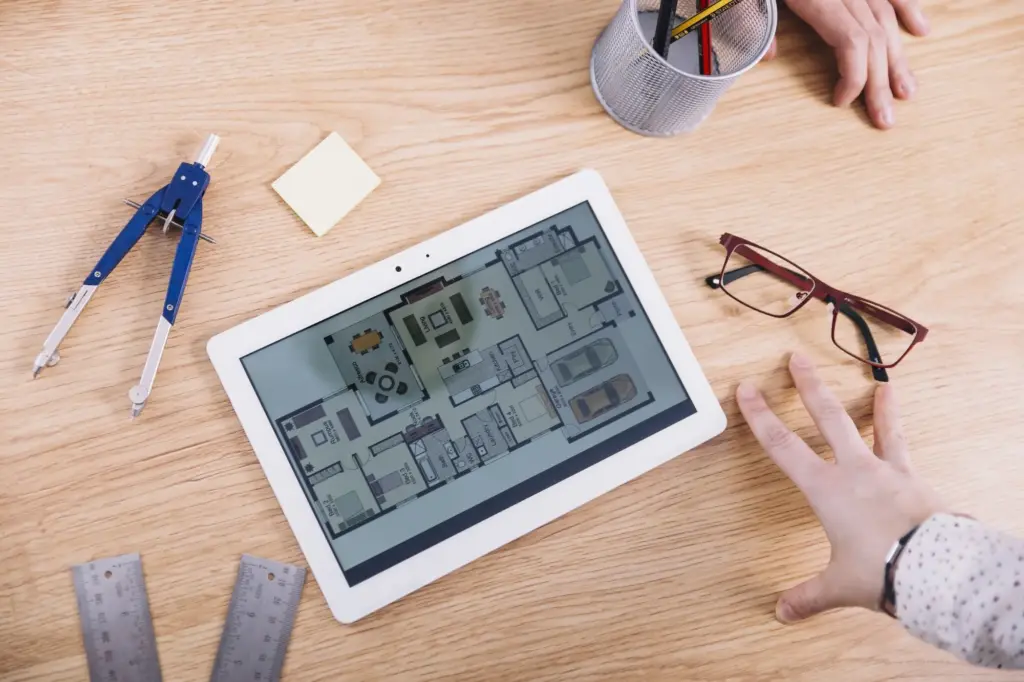
Create a shared digital folder with floor plans, wiring diagrams, QR label exports, filter sizes, and a parts inventory. Add a quick-start page for guests and sitters. Print a concise paper backup. Now anyone can step in confidently. Comment which platform you prefer; we’ll exchange templates and naming conventions that balance thoroughness with everyday usability, ensuring documents stay discoverable during stress, and your future upgrades, sales, or handoffs feel honest, smooth, and truly respectful.
Sourcing Spares and Writing House Rules
Build a small, thoughtful inventory: common bulbs, gaskets, valves, drivers, clips, and fasteners matching your standardized kit. Note vendors and lead times. Write simple rules about labeling, returning, and replenishing parts. Invite roommates or family to adopt the ritual. Share your starter list; readers will improve it with field-tested suggestions, turning random drawers into a purposeful library that keeps projects short, empowers helpers, and embodies a culture where care, repair, and style naturally reinforce each other.