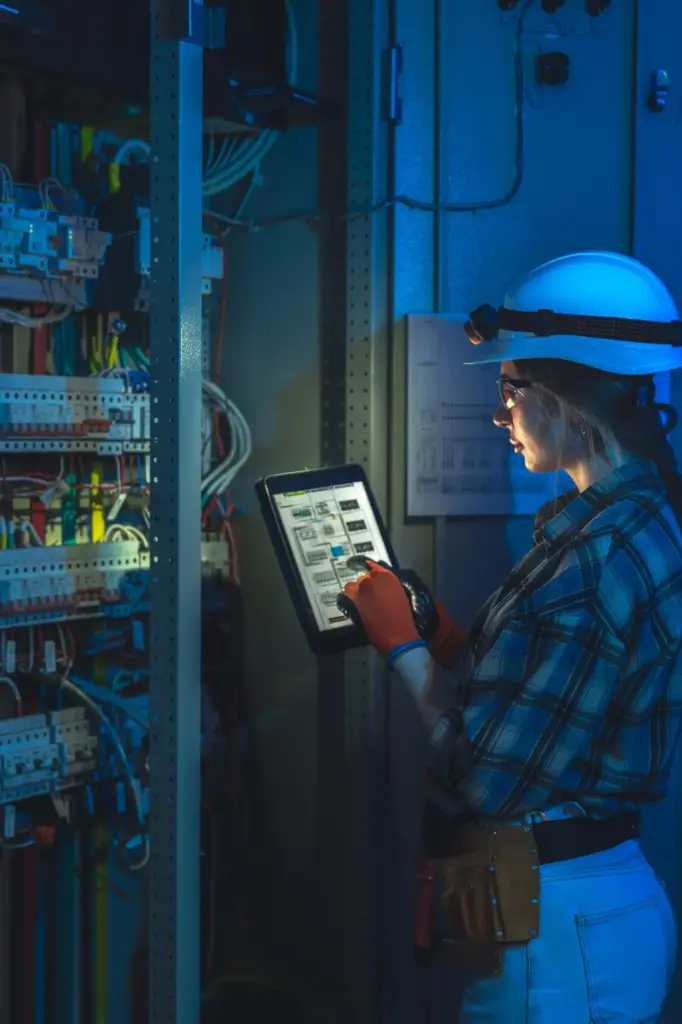
Hidden Doors, Clear Paths
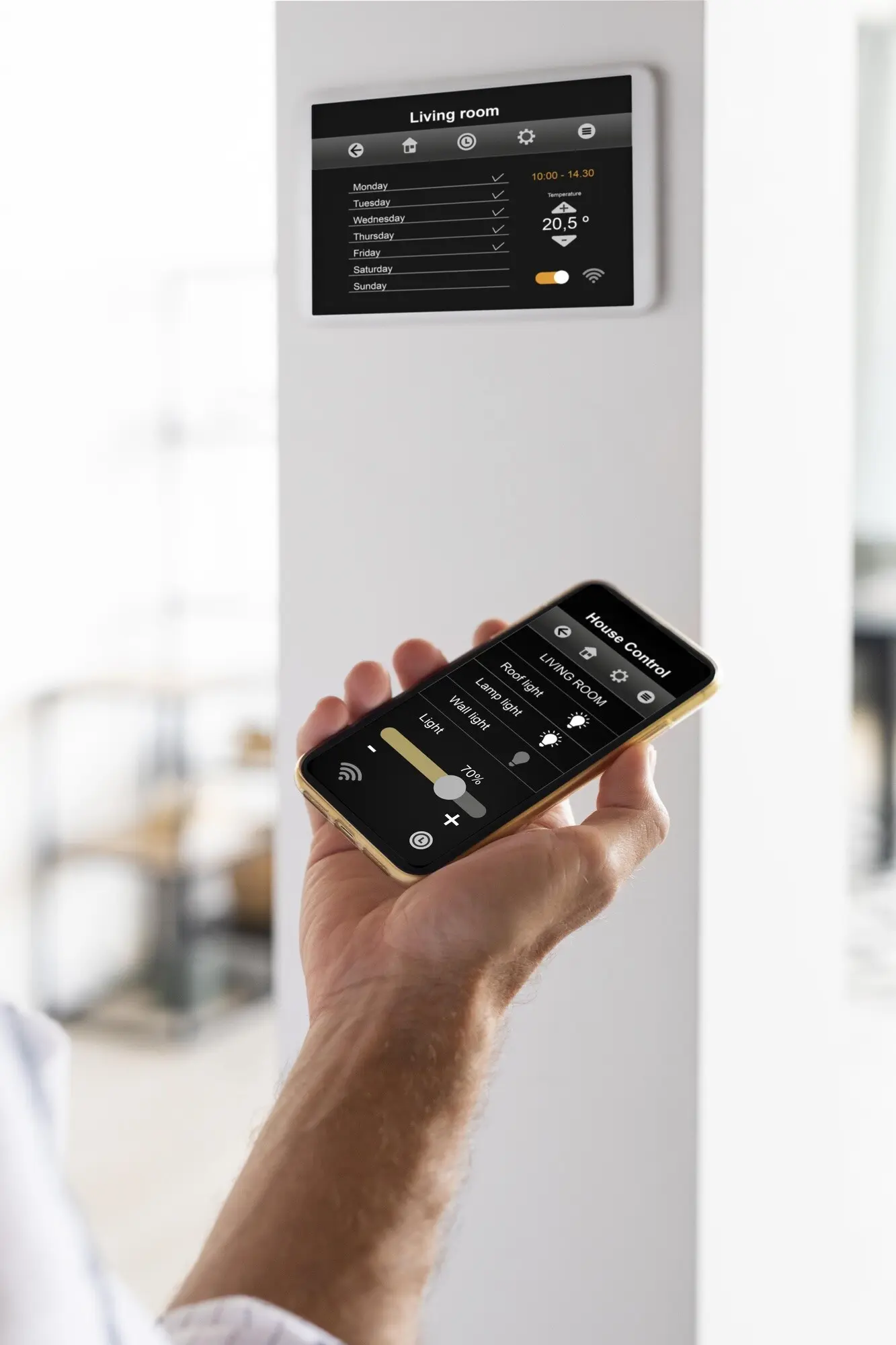
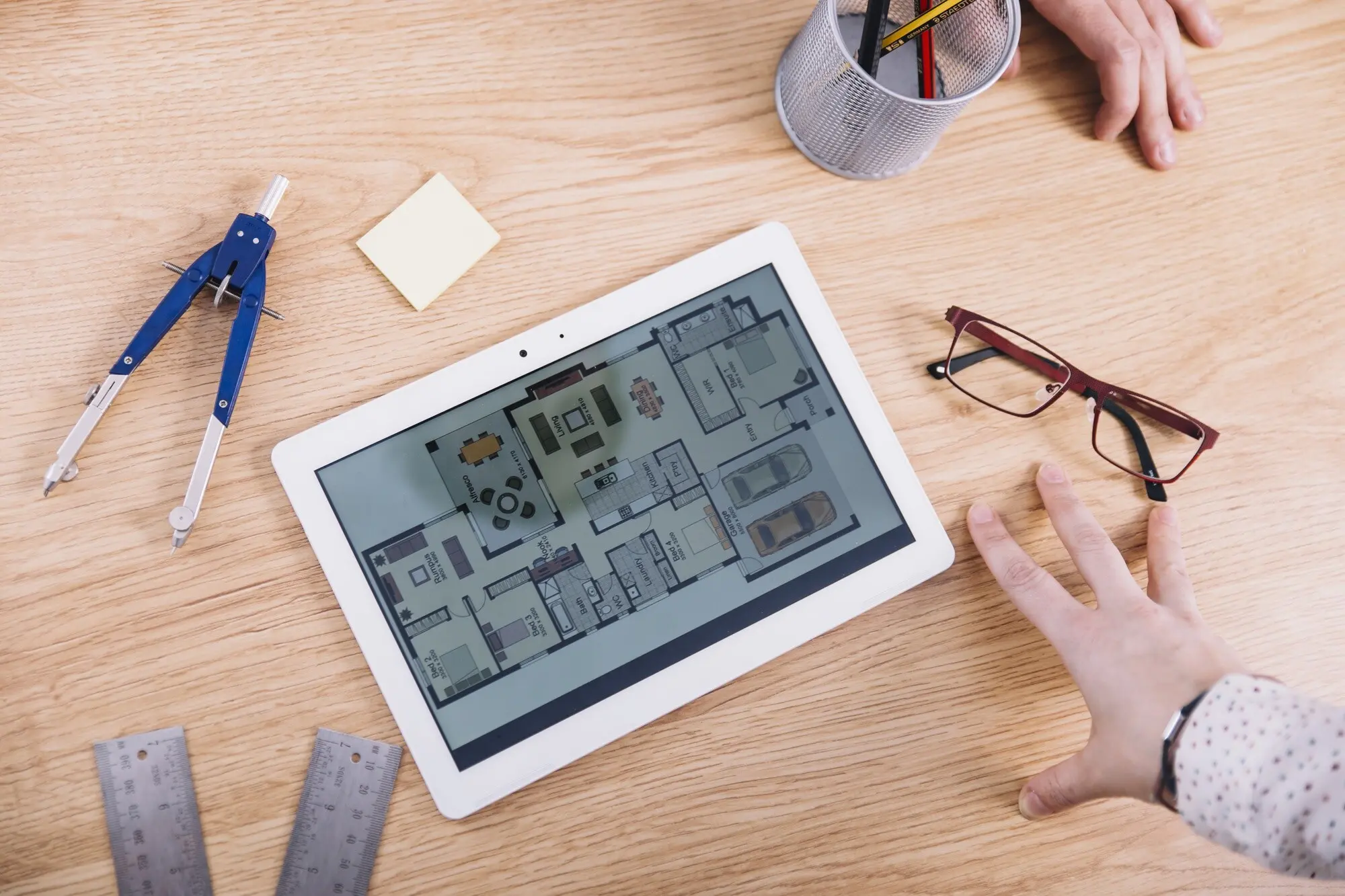
We’re diving into standardized access panels and cable management for repair-friendly connected spaces, where smart layouts, predictable sizes, and clear labeling transform frantic service calls into calm, confident minutes. When devices, sensors, and cables are reachable without demolition, teams diagnose faster, protect finishes, and keep occupants happy. Imagine every critical valve, junction box, and patch point exactly where drawings promise, marked the same way across floors and years. That reliable consistency shortens outages, reduces costs, and turns maintenance from a dreaded interruption into a practiced, almost invisible routine worth celebrating and replicating.

Designing for swift fixes, not prolonged outages

In high-performance buildings, the difference between a five-minute reset and a multi-hour shutdown usually comes down to access and clarity. Standardized panels, predictable cable routes, and unmistakable labels help technicians move with purpose. When a leak, short, or misconfiguration appears, nobody debates which tile to open or which bundle to trace. Instead, they move straight to the known point, lift a dependable latch, and find well-managed slack ready for testing tools. That rhythm keeps front-of-house experiences stable while back-of-house teams quietly deliver reliability and trust day after day.

Standards that make sense on site

Paper standards only help when they reduce decisions under stress. Consistent panel dimensions, mounting heights, and clearances let teams stock parts and move confidently between buildings. Structured cabling conventions from widely adopted guidelines ensure ports, trays, and patch fields read the same way everywhere. Fire and plenum ratings protect life safety, while labeling systems that match digital records keep troubleshooting honest. When compliance, clarity, and craft overlap, you get repeatable quality that installers respect, inspectors trust, and operators adore because the whole system speaks a single, practical language.

Consistent panel sizing and placement

Choose a family of sizes that actually covers ninety percent of tasks, then document the mounting heights, hinge side, and minimum working clearances. Align panels with tile grids and studs to avoid ad-hoc cuts that haunt future repairs. Keep knee and shoulder zones predictable so common valves or junctions never require contortions. Use corrosion-resistant latches that tolerate dust, paint, and daily touches. When placement rules appear on every drawing sheet, crews stop improvising, and anyone arriving months later can guess locations correctly before even opening the map.

Labeling that survives dust and decades

Labels must outlast trends, hinge swings, and cleaning solvents. Favor heat-shrink or industrial laminate with contrasting colors that remain legible in dim light. Use a simple, human-readable scheme paired with a unique ID that links to maintenance records, photos, and as-builts. Place duplicates: one visible with the panel closed, another inside near the termination. When cables change, retire old IDs rather than overwriting. If a new tech can map panel, pathway, and port to a digital record in under thirty seconds, the system is working.

Materials and ratings that respect safety and code

Repair-friendly does not mean compromise. Select fire-rated access panels where separations demand it, and use plenum-rated cable jackets in return-air spaces to protect occupants. Maintain bend-radius guidance and secure pathways to avoid abrasion at edges. Bond metallic pathways as required and observe clearances from power to reduce interference. Document any deviation and capture inspector sign-off in the maintenance index. The safest designs are also the easiest to service because they eliminate guesswork, reduce hidden risks, and make the right action feel natural and immediate.

Cable flows that prevent chaos

Good cable management is choreography: graceful arcs, readable labels, and accessible slack that invites tools without straining connectors. Sharp turns, overstuffed trays, and brittle ties create stress, heat, and intermittent mysteries that rob crews of time. Choose pathways with headroom, distribute loads, and create service loops where testing occurs. Color and icon language clarify intent when noise levels are high. Teams that practice this discipline discover fewer damaged terminations, faster port identification, and easier adds, moves, and changes that keep the building evolving without painful surprises.

Bend radius, slack, and service loops done right

Respecting bend radius preserves signal integrity and connector life, yet it also preserves human patience. Include measured slack near panels and devices, not buried behind unreachable surfaces. Build gentle service loops that present clearly for meters and hands, avoiding crosses that snag. Route power separately to reduce interference, and never exceed tray fill guidelines. A little empty space is a gift to tomorrow’s technician, who may need to upgrade, reroute, or test quickly. When loops are intentional, the whole system behaves predictably under stress and during change.

Color and icons that talk without words

In a cramped ceiling, colors and simple icons beat paperwork. Reserve consistent hues for data, control, lighting, and life safety, then reinforce with small, durable symbols at turns and terminations. Use directional arrows to show source and destination, and mark test points with a distinctive stripe. For shared trays, apply lane markings so bundles do not wander. When every visual hint repeats floor to floor, a visiting contractor can decode intent in moments. That visual grammar shortens explanations, reduces mistakes, and turns complex systems into approachable companions.

Retrofitting without drama

Existing buildings carry scars, surprises, and stories. Instead of fighting them, map them. Start with non-invasive discovery, then align new panels with structural logic and occupant routines. Avoid doors that swing into ladders or trays that shadow lighting. Plan phased work that keeps revenue flowing and life undisturbed. Bring tenants into the process with clear schedules and success criteria. When walls already hold secrets, standardized panels and disciplined cable paths turn uncertainty into order. The outcome feels respectful: improved access, quieter nights, and staff who trust the plan.

Mapping the mess before a single tile moves

Open as few surfaces as possible by combining borescope checks, thermal scans, and gentle trace tones. Photograph everything and geotag findings into a shared index that lives beyond the project. Note obstructions, asbestos flags, and opportunities to align with existing studs. Identify panels you can reuse and those that must be replaced for rating or clearance. When the whole team can tour the concealed world from a tablet, debates shrink. Decisions gain context, and work orders stop wandering because the invisible finally has a dependable, searchable map.

Phased upgrades that protect operations and revenue

Plan nights, weekends, and short windows near shift changes. Pre-stage panels, hardware, and labels in kitted sets so installers move like a pit crew. Use temporary bypasses for critical services and test each phase as a stand-alone system before proceeding. Share real-time status with stakeholders who depend on the network, lighting, or controls. When every cutover has a rollback plan and documented handoff, retrofits feel ordinary rather than risky. The secret is predictable choreography, where each step builds confidence and no single surprise can sink the schedule.

A hotel restores Wi‑Fi with standardized access

In a renovated boutique hotel, spotty Wi‑Fi plagued weekend bookings. The fix began by replacing scattered, mismatched hatches with uniform access panels aligned to corridor grids. Patch cords were color-coded, service loops added, and AP drops labeled to a living map. During the next storm surge of guests, a failing injector was isolated in minutes without waking rooms. Reviews mentioned strong connectivity, not maintenance heroics. Management noticed something else: new hires learned the layout on day two, because every floor spoke the same clear, honest design language.

Building for what’s next

Modular backbones invite new capabilities

Choose cable pathways and panels that accept snap-in components or adapter plates, so today’s decisions do not box in tomorrow’s needs. Leave spare fibers, extra copper pairs, and shelf space where aggregation might grow. Keep separation for power over Ethernet expansions and respect thermal loads as devices cluster. Document everything with simple diagrams that show not just what exists, but where capacity lives. When a new sensor suite or access control runs arrive, the building says yes gracefully, without late-night drywall dust or anxious calls to account for missing headroom.

Ceilings and risers as prized real estate

Treat ceiling voids and risers like city blocks with zoning. Reserve lanes, assign addresses, and prevent land grabs by single trades. Standardized access panels at logical intervals make inspections routine, while removable, gasketed tiles protect air paths and finishes. Keep weight and heat within limits, and specify anchors that welcome future trays without redefining structure. When that real estate is managed with maps and rules, new occupants—devices, cables, and boxes—arrive with leases, not squats. The result is civility overhead, where growth feels planned, safe, and refreshingly boring.

QR codes and twins as living guides

Place durable QR codes on panels that link to a building-wide registry: latest drawings, photos, test results, firmware notes, and contacts. When a tech scans, they see exactly what sits behind the door and what has changed since last visit. Tie each cable label to the same record so physical and digital stay married. This living guide turns onboarding into a walk-through, not a lecture. It encourages comments and photos from the field, creating a feedback loop where documentation improves precisely when people rely on it most.

Operations that keep promises

Great access and tidy cables shine only when habits support them. Create runbooks people actually use, with photos matching real panels and labels. Practice timed drills for common incidents, from a tripped breaker to a damp sensor. Host quarterly reviews where installers, operators, and custodians trade lessons and adjust standards. Reward tidy handoffs as much as heroic saves. Invite occupants to report issues with friendly channels, not frustration. When teams learn, test, and iterate together, the building becomes a partner—responsive, honest, and always ready to help the day succeed.
Laxitarikarokavizunoravo
Privacy Overview

This website uses cookies so that we can provide you with the best user experience possible. Cookie information is stored in your browser and performs functions such as recognising you when you return to our website and helping our team to understand which sections of the website you find most interesting and useful.